Everything You Need to Know to Get Started
So you’ve decided you want to start strength training — great choice! Whether you’ve been thinking about it for a while or just had a lightbulb moment, getting into the weight room (or a private training space like ours) can be one of the best things you’ll ever do for your health, your confidence, and your overall quality of life.
But if you’ve never done it before, the whole thing can feel pretty overwhelming. What exercises should you do? How heavy should you lift? How often? What if you hurt yourself?
We hear these questions all the time at Fit and Psyched. So we put together this beginner’s guide to break it all down in plain English — no fitness jargon, no intimidation, just honest and practical advice.
What Is Strength Training, Exactly?
Strength training (also called resistance training or weight training) is any form of exercise that uses resistance to make your muscles work harder. That resistance can come from:
- Free weights (dumbbells, barbells, kettlebells)
- Weight machines
- Resistance bands
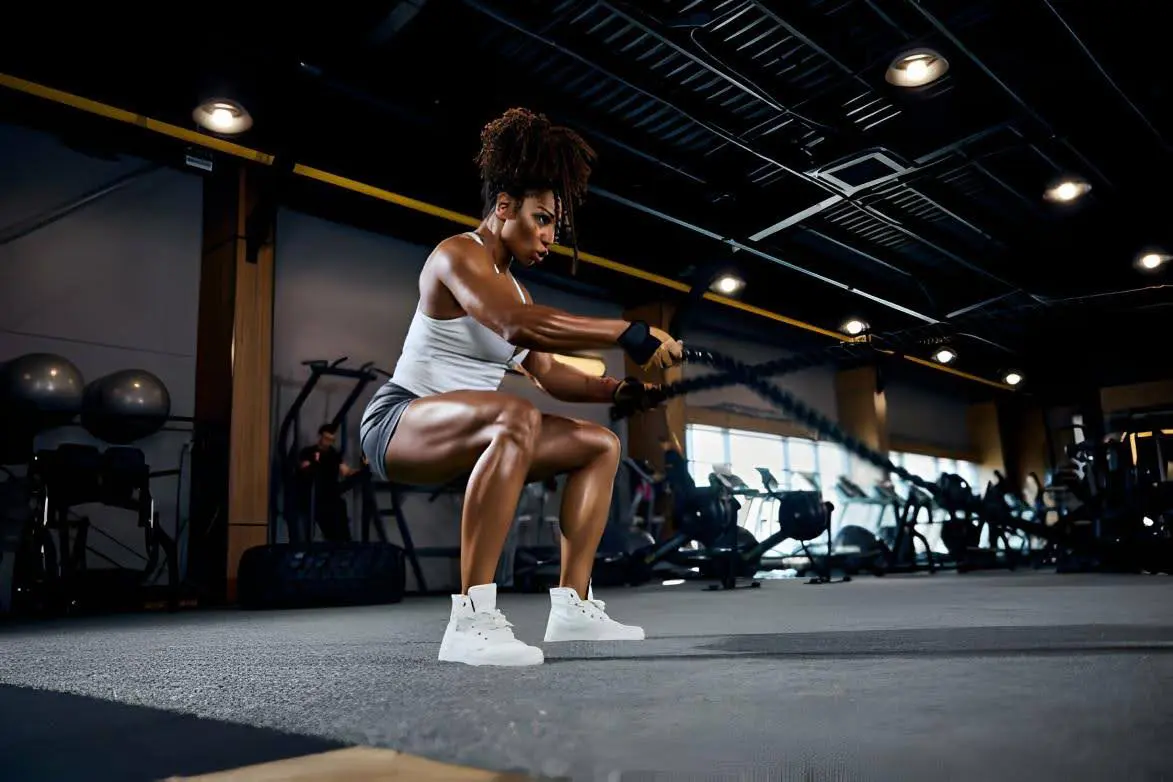
- Your own bodyweight (push-ups, squats, lunges)
The goal is simple: challenge your muscles enough that they adapt, grow stronger, and become more efficient over time.
Why Should Beginners Start Strength Training?
The benefits go way beyond just looking toned. Here’s what consistent strength training can do for you:
Build lean muscle and boost metabolism. Muscle burns more calories at rest than fat does. More muscle = a faster metabolism, even on days you don’t work out.
Improve bone density. This is especially important as we age. Resistance training is one of the best things you can do to reduce your risk of osteoporosis.
Support joint health and reduce injury risk. Strengthening the muscles around your joints helps protect them — your knees, hips, shoulders, and back will all thank you.
Boost your mood and mental health. Exercise releases endorphins. Many of our clients tell us that their training sessions are the best part of their day — not just physically, but mentally.
Increase everyday functional strength. Carrying groceries, climbing stairs, picking up your grandkids — all of it gets easier when you’re stronger.
Common Myths About Strength Training (That We’d Like to Put to Rest)
“I’ll bulk up and look too muscular.” This is by far the most common concern we hear, especially from women. The truth? Getting “bulky” takes years of very intentional, heavy lifting and specific nutrition. Beginner strength training builds lean, functional muscle —not size.
“It’s only for young people.” Absolutely not. Many of our clients at Fit and Psyched started training in their 50s, 60s, and even 70s. Strength training is one of the most effective ways to maintain independence and quality of life as you get older.
“Cardio is better for weight loss.” Cardio burns calories during exercise. Strength training burns calories and reshapes your body composition over time. Most fitness professionals today recommend a combination of both — and if you have to pick one, strength training often delivers more long-term results.
“You need a fancy gym.” You don’t. A few dumbbells and a small space can be more than enough, especially when you know what you’re doing.
How to Start Strength Training: A Simple Framework
Here’s what we recommend for anyone just starting out:
1. Start with the fundamentals
Before you worry about complex exercises or heavy weights, focus on mastering a handful of foundational movement patterns:
- Squat (works legs and glutes)
- Hinge (deadlift variations — works hamstrings, glutes, lower back) Push (push-ups or chest press — works chest, shoulders, triceps)
- Pull (rows or lat pulldowns — works back and biceps)
- Core (planks, dead bugs — works stability)
Get these movements down with light weights and good form before progressing. This is where having a knowledgeable trainer makes a huge difference.
2. Train 2–3 times per week
For beginners, two to three full-body sessions per week is ideal. This gives your muscles enough stimulus to grow and change, while allowing adequate recovery time in between. Trying to do too much too soon is one of the most common beginner mistakes.
3. Focus on form, not weight
We can’t say this enough: how you lift matters far more than how much you lift, especially as a beginner. Poor form leads to injury. Good form leads to results. Start lighter than you think you need to and build from there.
4. Progress gradually
Once an exercise starts feeling easier, it’s time to progress — either by adding a little more weight, adding a rep or two, or trying a slightly more challenging variation. This principle is called progressive overload, and it’s the foundation of any effective strength program.
5. Don’t skip recovery
Your muscles don’t grow during the workout — they grow during rest. Sleep, hydration, and nutrition all play a massive role in how well your body responds to training. Rest days aren’t lazy days; they’re part of the process.
What About Nutrition?
You can’t out-train a poor diet, and strength training is no exception. Here are a few basics to keep in mind:
- Eat enough protein. Protein is the building block of muscle. Aim for roughly 0.7–1 gram per pound of bodyweight per day as a general starting point.
- Don’t go too low on calories. If you’re eating far less than your body needs, it won’t have the fuel to build muscle or recover well.
- Stay hydrated. Dehydration affects performance, recovery, and energy levels more than most people realize.
Nutrition is highly individual, which is why we customize nutrition plans for every client at Fit and Psyched rather than handing out generic advice.
Should You Work with a Personal Trainer?
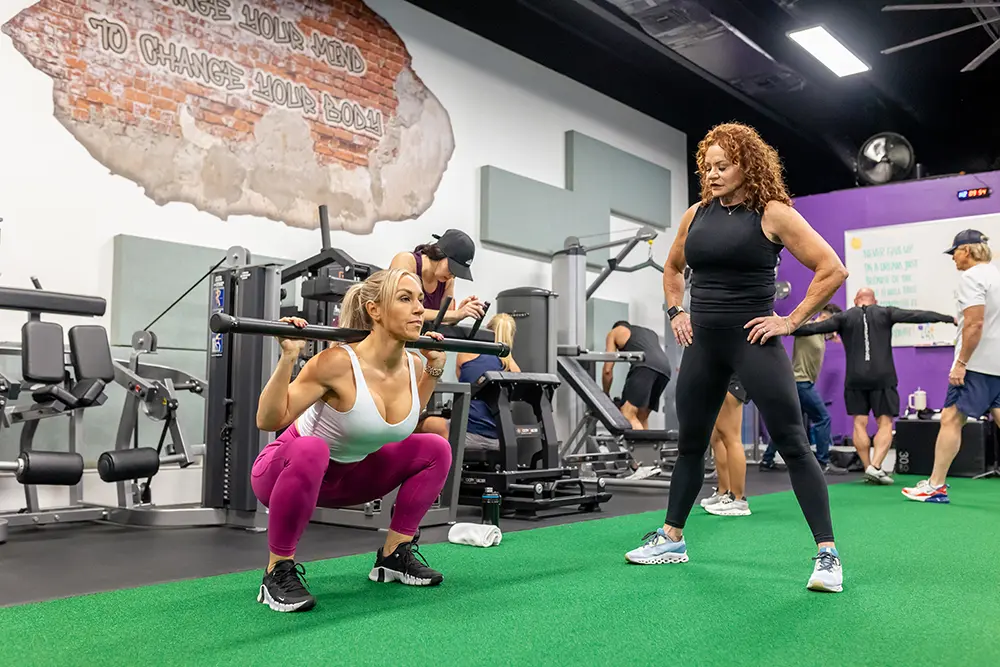
For some people, jumping into a gym on their own works just fine. But for many beginners, working with a personal trainer — especially in a private, one-on-one environment — makes a dramatic difference in how quickly and safely they progress.
Here’s why:
- You learn proper form from day one, which protects you from injury and makes every exercise more effective.
- Your program is built for you — your goals, your body, your starting point.
- You stay accountable. It’s a lot easier to skip the gym when no one’s expecting you. It’s a lot harder when someone is.
- You get faster results. No wasted time, no guesswork, no plateaus that drag on for months.
At Fit and Psyched, our private gym in West Palm Beach is dedicated exclusively to personal training. There are no crowds, no waiting for machines, and no judgment — just focused, effective training in a space where you can actually concentrate and make real progress.
Ready to Start?
Starting something new always takes a little courage, and we respect that. But if you’ve been thinking about getting stronger, there’s no better time than right now.
If you’re in the West Palm Beach area and want to see what personal strength training looks like in a private, supportive environment, we’d love to chat. We offer free consultations — no pressure, no sales pitch, just a real conversation about your goals.
Request your free consultation here →
Or give us a call at 561-223-1112. We’re here Monday–Friday 6am–8pm and Saturday 7am–12pm.